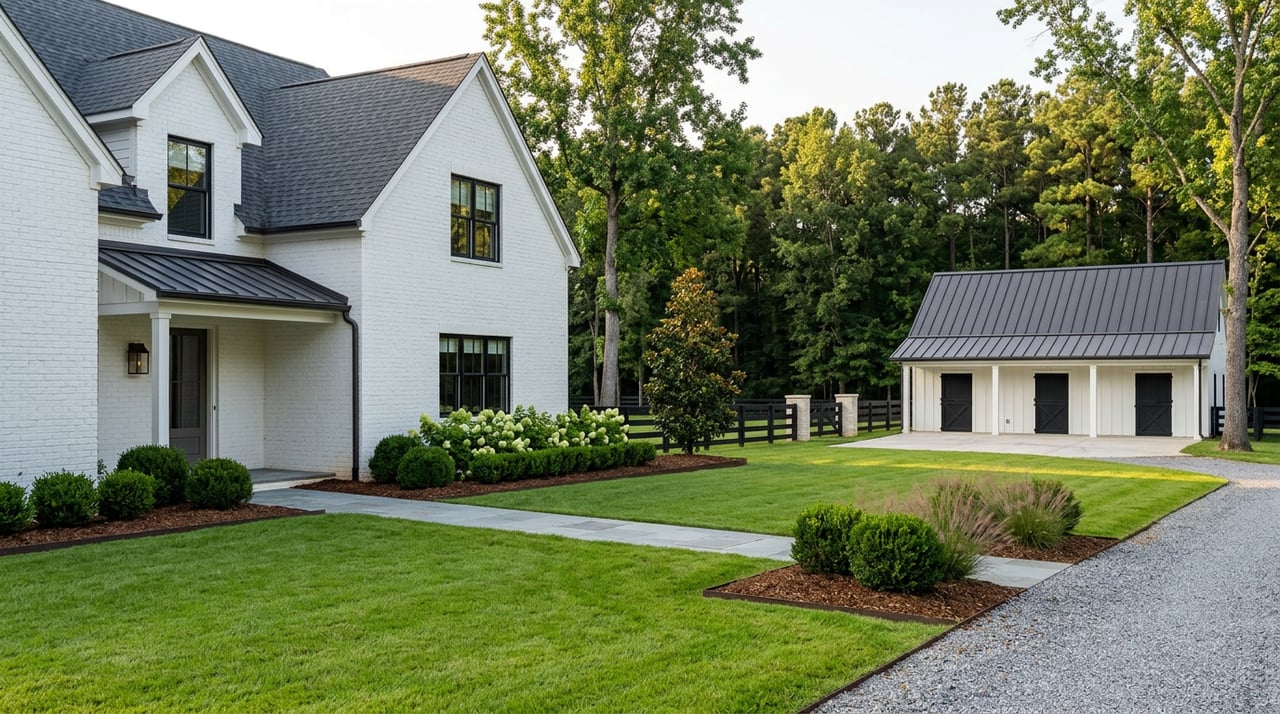
Picture your morning coffee overlooking rolling pasture, a small barn humming with activity, and the privacy of a long driveway. If you want that lifestyle with a Milton address, you also want a clear plan for zoning, wells and septic, and financing. Acreage and estate properties have unique rules that can help or hinder your goals. In this guide, you’ll learn what to check first, how Milton regulates equestrian uses, and the steps that keep your purchase and loan on track. Let’s dive in.
Why Milton fits acreage and estate buyers
Milton embraces its equestrian identity, and the city’s AG-1 Agricultural zoning was written with horses and country estates in mind. The city highlights this heritage and provides resources for riders and landowners on its equestrian community page. That means you can often keep horses and add riding areas on the right parcel.
Even so, details matter. Certain facilities, such as covered or lighted arenas or structures that house animals, come with acreage thresholds, setback rules, or use-permit requirements. A short conversation with the city and a zoning review early in your search can save you time, money, and revisions to your plans later.
Zoning basics that shape your plans
AG-1 and animal housing
Milton’s AG-1 district allows agriculture and livestock uses, including housing animals and riding areas. The code lays out clear setbacks, such as a minimum 100 feet from property lines for structures housing animals, and it defines when riding facilities may require a separate use permit. Review the specifics in Milton Code §64-415 to see what is permitted by right and what might need approval.
If the parcel is not AG-1
Non-AG parcels have animal-control limits. For example, the city FAQ lists maximum counts for certain animals on non-agricultural land, including a limit of five for horses, mules, asses, or cows, and different limits for sheep, goats, and poultry. Always confirm your parcel’s zoning and review the city’s animal limit FAQ before you buy.
Permits and siting considerations
Accessory buildings such as barns, arenas, and shops require permits and must meet current codes. Unpermitted outbuildings can create headaches with appraisals, insurance, and closings. Milton enforces state codes and issues permits through its Building Division, so plan to verify permit history early in due diligence and ask about any open code items.
Milton also regulates where improvements can be placed. Stream buffers and tree conservation rules can affect fencing, driveways, and pasture layout. Before you draw paddocks on a site plan, map buffers and setbacks and leave space around water features.
Wells, septic, and water service
Required evaluations in Fulton County
Many estate properties rely on a private well and onsite sewage. In Fulton County, the Board of Health regulates both, and properties being sold must have the private well and septic system evaluated. Schedule this inspection early because it can affect your closing timeline and loan underwriting. You can find the county’s process and contacts on the Fulton County Board of Health well and septic page.
What lenders expect for wells and septic
If you plan to use FHA or another government-backed loan, expect Minimum Property Requirements for private systems. FHA typically looks for potable water test results, adequate well flow, and minimum separation distances between a well and septic components. Common standards include at least 50 feet from the well to the septic tank and at least 100 feet from the well to the drain field, along with a continuous water supply often cited around 3 gallons per minute for existing wells. Appraisers and underwriters will require documentation or local health authority certification if anything is flagged. You can review the FHA guidance in the HUD Handbook 4000.1.
Public vs. private service in Milton
Parts of North Fulton are on public water and sewer, but many larger lots in Milton use private systems. Confirm whether your parcel is within a service area and if the county can provide a connection. This affects both daily use and long-term costs, especially if you plan to irrigate landscaping or fill water troughs. Start with the county’s water service information to understand options.
Soil, pasture, and equestrian fit
Soil and septic suitability
Soil type and topography determine whether a lot can support a conventional septic system and how large the leach field needs to be. They also influence drainage and how much of the land is truly usable for pasture. Milton and Fulton County commonly require soil borings or a soil report during plat or permit review for smaller lots and subdivisions. You can see local references to soil and platting requirements in this Milton planning document. Ask for any prior percolation tests, and consider an on-site soil evaluation before you commit.
Pasture planning and stocking rates
For horse properties, start with the University of Georgia Cooperative Extension’s rule of thumb for north Georgia: about 2 acres per mature horse on non-cropping land, and about 1.5 acres in more productive areas. The right number for your property depends on soil, drainage, forage mix, and whether you will supplement with hay. UGA’s Forage Systems for Horses guide is a helpful reference as you evaluate fields and plan rotations.
When you tour acreage, look closely at:
- Drainage patterns, low spots, and any rocky or steep areas that reduce usable land.
- Forage species, bare patches, and weed pressure in existing fields.
- Water access points and the condition of cross-fencing and perimeter fencing.
- Manure storage or compost areas and how runoff is handled around barns and paddocks.
Outbuildings, arenas, and value
Permits and potential use approvals
Well-designed barns, stalls, and riding spaces add lifestyle value for many buyers in Milton. Be aware that larger facilities, lighted or covered arenas, and spectator seating can trigger use-permit thresholds or City Council approvals, depending on acreage and zoning. The specifics are in Milton Code §64-415, so review those details before you plan upgrades or rely on an existing layout.
Appraisals and financing impacts
Equestrian improvements must be functional, safe, and marketable to positively influence value. Appraisers look for comparable sales with similar barns or arenas. Unpermitted structures or anything built in a setback or protected buffer can reduce appraised value and delay closings. If a lender or appraiser questions a structure, you may need permits, inspections, or engineering letters to resolve it before funding.
Insurance considerations
Estate and equestrian properties can require specialized insurance. Carriers often ask about building permits and construction details for barns and arenas, and you may need endorsements for equine liability or outbuildings. Factor these costs into your ownership budget, and consult your insurance advisor once you have a target property.
Your step-by-step due diligence checklist
- Confirm zoning early. Request a Zoning Certification Letter through the City of Milton and ask about AG-1 status, setbacks, and any prior variances. Start with the city’s Community Development and Zoning page.
- Schedule county well and septic evaluations. Fulton County requires evaluation of private systems for properties being sold. Book inspections and water testing early to keep your timeline on track. See the Fulton County Board of Health process.
- Map soils and topography. Collect any existing soil reports or borings and consider an independent soil and site evaluation. Local planning references for soils and lot sizing are available in this Milton document.
- Verify permits for barns and arenas. Ask the seller for permit records and confirm with the city. If any structure lacks permits or violates setbacks or buffers, estimate the cost and time to correct it.
- Confirm access and shared systems. If the property uses a private road, shared well, or off-site septic, make sure a recorded maintenance agreement exists. Lenders often require these documents for underwriting.
- Talk to your lender about program requirements. Ask about water testing, minimum well flow, and septic certifications for your loan type. FHA and other government-backed loans reference standards in the HUD 4000.1 handbook, and conventional lenders often follow similar health and safety expectations.
- For equestrian buyers, gather pasture records. Request any pasture management notes, veterinary or farrier records, and hay sources. Use UGA’s Forage Systems for Horses guide to plan rotations and stocking.
Financing programs at a glance
- FHA and government-backed loans often require proof of potable water, adequate well flow, and minimum separation distances between wells and septic components. If the property falls short, be prepared for repairs or replacement before closing, or consider a different loan option.
- USDA loans are limited by location and use. If you need USDA financing, confirm eligibility early and document that the property is not primarily an income-producing farm. Water and septic still must meet standards.
- VA and conventional loans usually expect safe, functional systems. Lenders may call for repair escrows or final inspections where needed. Timelines can vary, so build room into your contract.
Bringing it all together
Buying acreage or an estate home in Milton can be both practical and inspiring when you match your vision with the right parcel and a clean due diligence path. Start with zoning, then confirm your well and septic, study soils and pasture, and verify permits for any outbuildings. Coordinate with your lender on program requirements and allow time for county evaluations. With a clear plan, you can step into your new life on land with confidence.
If you’re ready to tour acreage or equestrian properties in Milton or nearby North Fulton, reach out to Bonnie Espy. You’ll get attentive buyer representation, local insight, and a steady hand through each step.
FAQs
What zoning allows horses on property in Milton?
- AG-1 generally allows agriculture and livestock uses, including housing animals and riding areas, with setbacks and potential use-permit thresholds for larger facilities. Always confirm parcel zoning and any HOA rules.
Do I need a septic and well inspection to buy in Milton, GA?
- If the home has a private well and onsite sewage, Fulton County requires evaluation for properties being sold. Schedule early because the results can affect your closing and financing.
What are FHA rules for private wells and septic on acreage?
- FHA expects potable water, adequate well flow, and minimum distances between wells and septic components. Appraisers and underwriters may require documentation or repairs before approval.
How many acres per horse should I plan for in north Georgia?
- A common starting point is about 2 acres per mature horse on non-cropping land in north Georgia, with final numbers depending on soil, forage, drainage, and your feeding plan.
Can unpermitted barns or arenas affect my appraisal?
- Yes. Unpermitted or noncompliant structures can reduce appraised value, complicate insurance, and delay closing. Verify permits and setbacks during due diligence.
Is public water available for Milton estate properties?
- Some areas are served by Fulton County water, while many larger parcels use private wells. Check service availability for the specific address and factor costs into your plan.