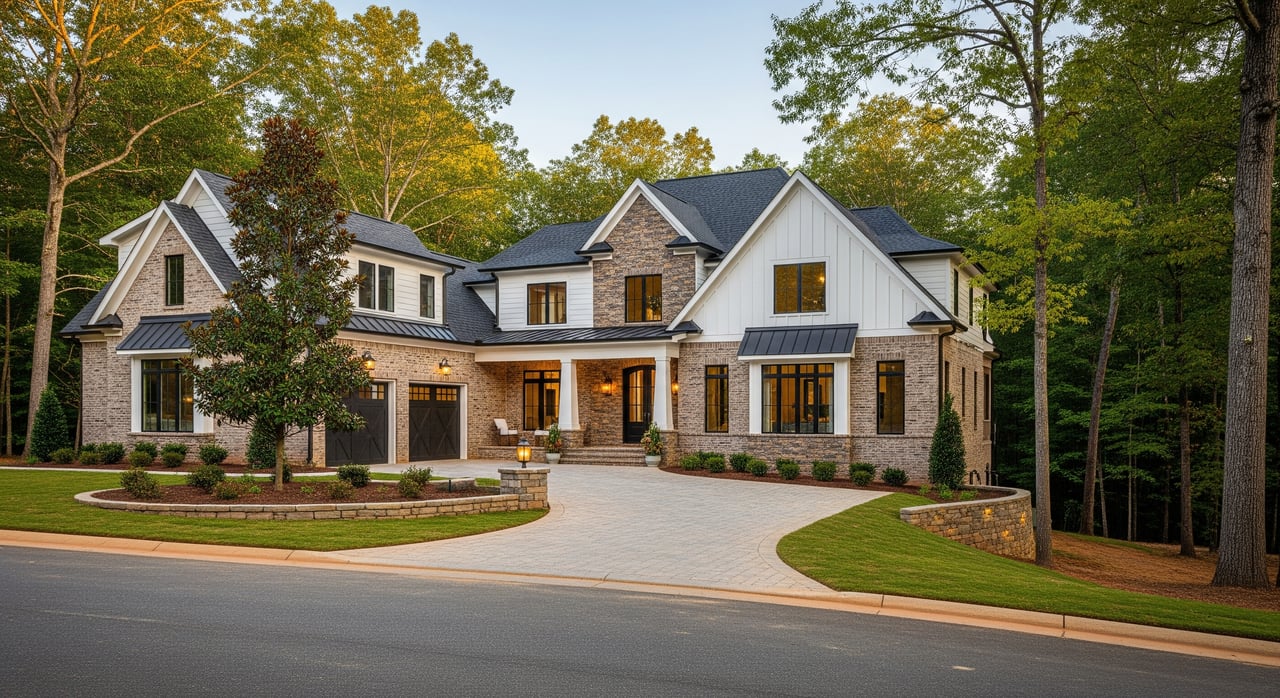
Thinking about a new build in Hickory Flat? You are not alone. New construction in 30115 offers fresh floor plans, energy-efficient systems, and the chance to tailor finishes to your life. The choices can feel overwhelming though, from lot orientation and builder options to upgrade timelines and contracts. This guide walks you through the decisions that matter most, so you can build with confidence and set yourself up for strong resale potential. Let’s dive in.
Hickory Flat basics
Hickory Flat sits in Cherokee County within zip code 30115. County departments handle permitting, inspections, zoning, and plats, so you will want to verify whether your lot is in an incorporated city or an unincorporated area of Cherokee County. That impacts who oversees permits and some utilities.
If schools, commute routes, and access to Canton or Atlanta matter to you, factor those into your lot and community search. Ask your agent for recent closed sales in a builder’s community and for market snapshots for both new and existing homes in 30115. You want to see how your planned home aligns with nearby comparables.
Pick the right lot
The lot you choose affects daily comfort, build cost, and future resale. Here is how to evaluate it with a clear checklist.
Orientation and light
- A south-facing rear yard typically offers more sun for outdoor living and passive solar benefits.
- Front-to-back east or west orientation influences morning and evening light in your living areas.
- Consider garage placement. Side-load garages can improve curb appeal and driveway use, while front-load can simplify access.
Topography and grading
- Slope affects foundation type, drainage, and usable yard. Steeper sites can require stepped foundations or retaining walls that add cost.
- Ask the builder for a topographic survey and grading plan. Review where cut and fill will occur and whether any retaining walls or stormwater structures are planned.
Soils and drainage
- Soil type matters. Rock or expansive clay can increase foundation costs and timelines.
- For added confidence, review soil data through the USDA NRCS Web Soil Survey and ask for any available geotechnical reports.
- Walk the lot after rain if possible. Standing water or seasonal wet spots on or near the lot can signal drainage needs.
Floodplains and environmental limits
- Check flood zone status through the FEMA Flood Map Service Center. Flood zones can affect insurance, finished-floor elevations, and mortgage underwriting.
- Be mindful of wetlands or conservation buffers that limit the buildable area.
Easements and setbacks
- Utility easements, pipeline or transmission lines, and conservation buffers can restrict your building envelope.
- Confirm recorded easements and setbacks on the plat and any available ALTA or boundary survey.
HOA rules and fees
- Review architectural guidelines and deed restrictions. Rules can cover exterior materials, fencing, colors, and accessory structures.
- Confirm association dues, transfer fees, and any special district taxes.
Utilities, roads, and access
- Verify where water, sewer, electric, gas, and broadband will connect. Ask about connection fees and capacity.
- Note whether roads are public or private and who maintains them. Future street connections may impact traffic and access.
Quick lot checklist
- Plat, recorded covenants, and HOA documents
- Topographic survey and grading plan
- Utility plan and connection details
- FEMA flood determination
- Any soils or geotech reports
- Recent tax and assessment history
Builders and community types
Understanding builder types helps you match process and customization to your goals.
National vs. regional/local builders
- National or volume builders often provide predictable timelines, standard packages, and fewer customization paths. They may offer financing incentives.
- Regional or local builders can be more flexible on plan tweaks, lot options, and finishes, though processes vary.
Spec, to-be-built, and custom homes
- Spec or quick move-in: Completed or near-complete homes with set finishes. Faster closings, fewer changes.
- To-be-built: You choose the lot and plan, then the builder constructs after contract. More choices, longer timelines.
- Custom: A separate design-build process with a high degree of personalization and a construction-to-permanent loan.
Where to see realistic pricing
- Ask for an itemized price sheet: base price, lot premium, options, and sales tax on options.
- Request recent closed sales in the same subdivision to compare actual outcomes, not just list prices.
Upgrades that matter: structural vs. cosmetic
Smart upgrades improve daily life and help with resale. Know what to decide early and what can wait.
Structural upgrades (decide first)
Structural changes are harder and more expensive to change later. Prioritize them if they solve a functional need.
- Foundation type and height adjustments
- Framing changes like room expansions, bump-outs, or vaulted ceilings
- Window size or placement changes
- HVAC system sizing and duct routing
- Attached decks and covered porches
- Moving load-bearing walls or altering rooflines
Tip: If your plan is short one bedroom or a full bath compared with neighborhood comps, adding it now usually improves marketability later.
Cosmetic upgrades (choose for durability and appeal)
Cosmetic changes are easier to swap pre-closing, but costs can add up across the home.
- Flooring: durable hardwood or luxury vinyl plank in main living areas
- Kitchen: cabinet style, countertop grade, and backsplash
- Lighting, plumbing fixtures, hardware, and paint palette
- Bath tile and shower enclosures
- Appliance packages
Focus cosmetic dollars where eyes go first: main-level floors and kitchen surfaces.
Systems and efficiency
Energy and comfort matter to modern buyers.
- Consider upgraded HVAC, improved insulation, and sealed ducts.
- Quality windows and ENERGY STAR appliances can lower utility costs and boost buyer appeal.
When to make selections and changes
Every builder sets deadlines. Get them in writing and mark your calendar.
Typical selection timeline
- Lot reservation and contract: Negotiate price, lot premium, and allowances. Some structural changes may be approved here.
- Pre-construction and design appointment: Choose major finishes and any allowed structural tweaks.
- Framing stage: Structural elements become fixed once framing is complete. Changes after this point are costly and may require re-permitting.
- Pre-drywall: Some mechanical or minor framing adjustments may still be possible.
- Trim and final: Cosmetic selections only, like paint or fixtures.
Ask the builder to provide a written schedule showing each cutoff date for changes and selections. Confirm whether change orders affect your completion date and what deposits are required.
Contracts, inspections, and warranties
Protect yourself by clarifying cost, scope, access, and remedies before you sign.
Contract clauses to review
- Price structure: Base price, lot premium, options, and sales tax on options. Request an itemized sheet.
- Allowances: Cabinetry, countertops, appliances, and who pays overages.
- Change orders: Process, pricing, deposits, and impacts on completion date.
- Timeline: Target completion date and any remedies if the builder delays. Negotiate where possible.
- Default and cancellation: Deposit terms, triggers for forfeiture, and builder cancellation rights.
- Arbitration or venue: How disputes are handled and which law applies.
- Warranties: What is covered, who administers it, and whether coverage transfers on resale.
- Inspections and access: Your right to inspect during construction and final walk-through procedures.
- Contingencies: Financing, appraisal, clear title, and recorded covenants.
Independent inspections to schedule
- Pre-drywall or framing inspection
- Mechanical, plumbing, and electrical rough-in review
- Final independent home inspection near completion
- Final walk-through punch list documenting any deficiencies
Builders run their own quality checks, but hiring your own inspector adds accountability and peace of mind.
Typical warranty coverage
- One year on workmanship and materials for most items
- Two years on major mechanical systems such as plumbing, electrical, and HVAC in many packages
- Ten years on structural components, often through a third-party provider
Ask for the full written warranty document, how to file claims, and expected response times. Confirm whether the warranty is transferable if you sell.
Timelines and financing choices
Know the tradeoffs and pick the path that fits your calendar and budget.
Quick move-in vs. to-be-built
- Quick move-in: Immediate availability, known finishes, and a shorter closing window. Customization is limited and pricing or incentives can vary.
- To-be-built: You can choose your lot, plan, and many finishes. Timelines are longer, commonly 4 to 12 months or more depending on permitting, supply chain, and season.
If your current lease or home sale timing is tight, discuss temporary housing or lease-back options and negotiate milestone protections where you can.
Financing and incentives
- Spec homes often use a standard mortgage process.
- Custom builds may require a construction-to-permanent loan. For an overview, see the CFPB’s guide to construction-to-permanent loans.
- Builders may offer incentives through preferred lenders. Compare total costs and rate options with independent lenders to see the true benefit.
- Ask how the appraisal will be handled for a to-be-built. Lenders often rely on similar completed homes or a cost approach.
Resale and ROI in Hickory Flat
Think about the next buyer while you build. It helps you choose upgrades that support value.
What helps resale most
- Location context: proximity to everyday needs, commute routes, and recreation
- Lot quality: size, privacy, and usable yard
- Functional floor plan: appropriate bedroom and bathroom count for the neighborhood, open living areas, and storage
- Finish quality: durable, neutral finishes that photograph well
- Energy efficiency: lower operating costs and modern systems
- Curb appeal: clean exterior materials and thoughtful landscaping
- Community amenities: well-maintained shared spaces and a reputable HOA
High-priority upgrades to consider
- Structural: Add a bedroom or full bathroom if it meaningfully improves marketability for the plan and price point.
- Systems: Right-size HVAC, boost insulation, and specify quality windows.
- Cosmetic: Durable, neutral flooring on the main level and a kitchen that reads clean and high-quality.
Avoid overly personal finishes that could narrow your buyer pool later.
Buyer checklist: new construction in 30115
Use this list to stay organized from first tour to closing day.
Before contract
- Verify plat, easements, and setbacks; review HOA covenants and fees
- Check flood zone status and environmental overlays
- Confirm utility connections and any extension costs
- Compare recent closed sales for similar plans in the community
In contract
- Get a complete list of included features and an itemized price sheet
- Lock in selection and change-order deadlines in writing
- Clarify warranty coverage, dispute resolution, and access for inspections
During construction
- Schedule a pre-drywall inspection and a final independent inspection
- Attend the final walk-through and create a thorough punch list
- Collect copies of permits and inspection sign-offs
Before closing and after
- Gather warranty documents, appliance manuals, and HOA contacts
- Confirm utility setups and meter readings
- Keep a maintenance log and warranty claim records for future resale
Ready to look at lots and model homes in Hickory Flat with a design-savvy advocate by your side? From lot vetting and upgrade planning to inspections and timelines, you will have a clear plan and steady communication every step of the way. If you are weighing a quick move-in versus a to-be-built, I will help you compare the tradeoffs and align them with your goals.
When you are ready, reach out to Bonnie Espy to start your Hickory Flat new-build search and make confident, value-smart choices.
FAQs
What should I look for in a Hickory Flat lot?
- Prioritize orientation and light, usable topography, clear easements and setbacks, verified utilities, and floodplain status through official maps.
Which upgrades add the most value in a 30115 new build?
- Add a bedroom or full bath if it improves functionality, invest in HVAC and insulation, and choose durable, neutral flooring and kitchen surfaces.
How late can I change a floor plan with my builder?
- Most structural changes must be approved before framing is complete, so get the builder’s deadlines in writing at contract.
Should I use a builder’s preferred lender in Cherokee County?
- Compare incentives and rates against outside lenders to see the true net cost, then choose the option that best fits your budget and timeline.
Do I still need inspections on a brand-new home?
- Yes, schedule a pre-drywall inspection, a rough-in review, and a final independent inspection to verify quality and document fixes.
How can I confirm a lot is not in a floodplain?
- Search the address in the FEMA Flood Map Service Center and review any county floodplain overlays before you go under contract.